
American League (1901-1960, 1960-1971)
Washington Senators
Tombstone
Born: October 23, 1900 (Kanas City Blues relocation to Washington confirmed by AL president)1P.J. Donovan Loyal To The Big League, The Pittsburgh Press, Otc. 23, 1900
Moved: October 26, 1960 (relocation to Minneapolis-St. Paul approved by AL owners)2Minneapolis-St. Paul, LA in American League, UPI via The Lodi News-Sentinel, Oct. 27, 1960
Reborn: October 26, 1960 (expansion team awarded to Washington)3Minneapolis-St. Paul, LA in American League, UPI via The Lodi News-Sentinel, Oct. 27, 1960
Moved: September 21, 1971 (relocation to Dallas-Ft. Worth approved by AL owners)4Padres, Sox Seek Shifts as Baseball Plight Grows, Star Wire Services via The Windsor Star, Sep. 21, 1971
(1901-1960 Senators)
First Game: April 26, 1901 (W 5-1 @ Philadelphia Athletics)
Last Game: October 2, 1960 (L 2-1 vs. Baltimore Orioles)
(1961-1971 Senators)
First Game: April 10, 1961 (L 4-3 vs. Chicago White Sox)
Last Game: September 30, 1971 (Forfeit to/vs. New York Yankees)
World Series: None
Stadium
American League Park
Opened: 1901
Closed: 1903
American League Park (1901-1911)
Opened:1891 (as Boundary Field)
Destroyed: March 17, 19115Washington Americans Lose Baseball Park, The Evening Tribune, Providence, R.I., Mar. 18, 1911
Griffith Stadium (1911-1960)
Opened: April 12, 1911 6Taft to Pitch First Ball, The Montreal Gazette, Apr.12,1911
Demolished: February 12, 19657Griffith Stadium Falls Before the March of Progress, The Washington Afro-American, Feb. 16, 1965
Robert F. Kennedy Stadium (1961-1971)
Opened: October 1, 1961
Closed: September 15, 2019
Ownership & Affiliation
Owners:
First AL Senators
James Manning (1901)
Ban Johnson & Fred Postel (1901-1903)
Thomas C. Noyes (1904-1912)
Benjamin Minor (1912-1920)
Clark Griffith (1920-1955)
Calvin Griffith (1955-1960)*
Second AL Senators
General Pete Quesada (1961-1963)
James Johnston, James Lemon, and George Bunker (1963-1965)
James Johnston and James Lemon (1965-1968)
Bob Short (1968-1971)**
*Continued to own team after it became the Minnesota Twins
**Continued to own the team after it became the Texas Rangers
Attendance
Background
Washington Senators was the name of two American League (AL) baseball teams that played in the nation’s capital continuously from 1901 to 1971. The first team to use that name, though, played in the National League (NL) from 1891 to 1899. They folded when the NL contracted for the 1900 season. When the American League began making plans to become a major league for the 1901 season and compete with the NL head-to-head, the Kansas City Blues relocated to D.C. and became the new Senators.8P.J. Donovan Loyal to the Big League, The Pittsburgh Press, Oct. 23, 1900
The first AL Senators left Washington to become the Minnesota Twins following the 1960 season. However, on the day their move was approved, Washington was awarded an expansion team that took the Senators name. They soldiered on until 1971, when that club relocated to Dallas-Ft. Worth and became the Texas Rangers.
The American League and Major League Baseball consider these to be two separate franchises, and technically, they are. However, at FWiL, we consider the two AL Senators clubs to be one team, as they operated continuously from 1901 to 1971 in D.C.
The first AL Senators
In 1900, the American League, previously known as the Western League, was a minor league with major ambitions. Following the 1900 campaign, plans were set in motion to take on the established National League head-on, starting with the 1901 season. On January 29, 1901, the American League declared major league status9Have Finally Cast the Die: The American League Agreement Now Signed, The Baltimore American, January 29, 1901, with teams set to play in eight cities. In addition to the relocation of the Kansas City Blues, Buffalo, Indianapolis, and Minneapolis were dropped, while teams were added in Baltimore, Boston, and Philadelphia.
In their first major league season, the Senators finished in 6th place with a record of 61 wins against 72 losses, good for sixth place in the eight-team circuit. It didn’t get much better from there. A sixth-place finish in 1902 was followed by two eighth-place finishes in 1903 and 1904.
Thomas C. Noyes, who had purchased the team in 1904 from American League founder Ban Johnson and Fred Postel, felt some kind of change was in order. On April 15, 1905, the team opened the season at home against the New York Highlanders. The Washington nine debuted new uniforms with “Nationals” emblazoned across the chest, signifying their new nickname.10Season Opens, The Mansfield Daily Shield, Apr. 15, 1905 Except the fans, and many media outlets, continued to call them the Senators. The name change didn’t help, and the Senators (nay Nationals) stumbled along season after season.
New ballpark
The 1911 season got off to a particularly terrible start. A month before the season opener, the Nationals’ ballpark burned to the ground. A new ballpark was ready for opening day, though, and President Taft tossed the first ball from his box in the stands. However, it all ended with another seventh-place finish.
In 1912, the team finished in second, and things were looking up. But the Nationals couldn’t get over the top, and they dipped back into mediocrity in the mid and late teens. That dragged on until 1924, when they finally clinched the pennant and toppled the New York Giants four games to three in the World Series. They won the pennant again in 1925 but fell to the Pirates in seven games in that year’s Fall Classic.
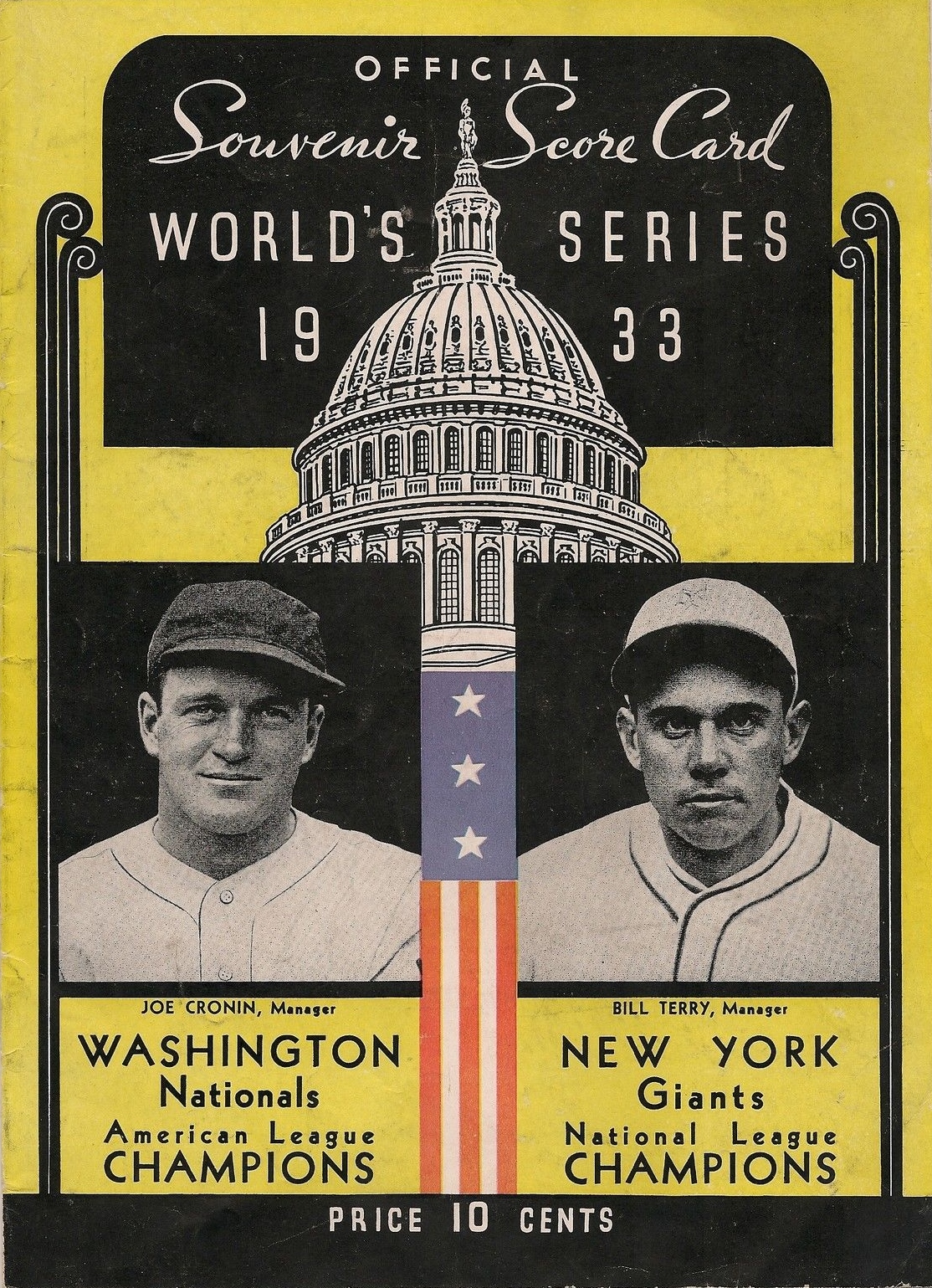
For the most part, they stayed competitive into the 1930s, capturing another pennant in 1933. Unfortunately, the Giants bested them four games to one in the World Series. That was the team’s last brush with greatness. A couple of second-place finishes in the 1940s kept the fans hopeful, but ultimately, the Nationals remained cellar-dwellers.
On the move?
Before the start of the 1955 season, the team went back to the Senators name, officially, but it didn’t help. The team proceeded to lose 101 games in 1955. Less than a month after the last game of the season, team owner Clark Griffith passed away. The franchise then came under the control of his son Calvin. The following season, the team finished 59 and 65. On October 19, 1956, the team’s board of directors met to discuss a possible move of the franchise to Los Angeles, San Francisco, or Louisville.11Directors at Washington Plan Franchise Meeting, The Middlesboro Daily News, Oct. 18, 1956
Griffith’s fellow American League owners were against any relocation. Undaunted, he turned his attention to Minneapolis. For nearly two years, Griffith negotiated with officials in Minnesota, despite the objections of his American League peers. This all would have been for not if it hadn’t been for the announcement on July 27, 1959, of a proposed third major league called the Continental League (CL). The new loop planned to have teams in eight cities beginning in 1961, including Minneapolis-St. Paul. At first, the AL and NL were skeptical.
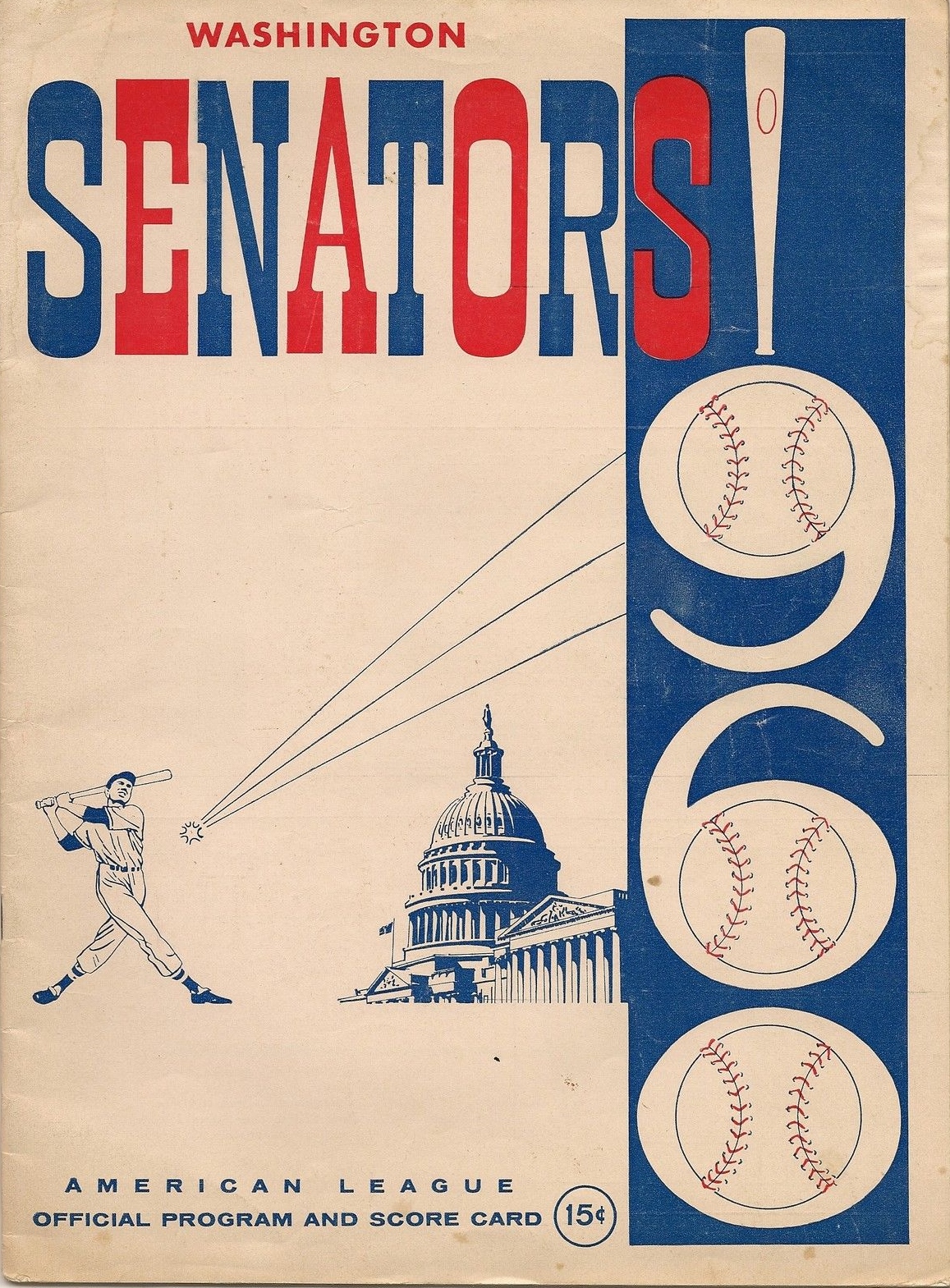
On October 14, 1959, Calvin Griffith announced the Senators were not moving.12Senators to Stay in Capital City, via The Robesonian, Oct. 20, 1959 It was during the 1960 baseball season, as the Continental League started to take shape, that the American League relented. The CL was primarily organized to return Major League Baseball to New York, which had lost the Dodgers and Giants to California. Its secondary purpose was to bring the game to growing cities that wanted teams. On August 2, 1960, expansion committee members from the American and National Leagues met with CL officials. With their major goals essentially met, the CL closed up shop.13Continental League Dies, But Majors Vote Expansion, AP, via The Freelance Star, Aug. 3, 1960
Rumors swirled around the fate of the Washington Senators through the end of the season, though the decision had already been made. It became official on October 26, as Griffith announced the team was moving to Minnesota. On the same day, the AL awarded an expansion team to the nation’s capital to replace the departing club.14Minneapolis-St. Paul, LA in American League, UPI via The Lodi News, Oct. 27, 1950
New dog, same fleas
The “new” Washington Senators were owned by General Pete Quesada. Fans were upset by the departure of the original team, but after years of finishing at or near the bottom of the AL standings, there was nowhere to go but up. Unfortunately, the new Washington Senators failed to do that. For their inaugural season, they picked up right where the old Washington Senators left off, finishing in last place with a record of 61 and 100.
Ironically, they played that first season in Griffith Stadium, and their last homestand was against the Minnesota Twins, the former Washington Senators. In 1962, the new Washington Senators moved into D.C. Stadium (later renamed Robert F. Kennedy Stadium), but that didn’t improve the team’s fortunes either. Two more last-place finishes led Quesada to sell the team in 1963.
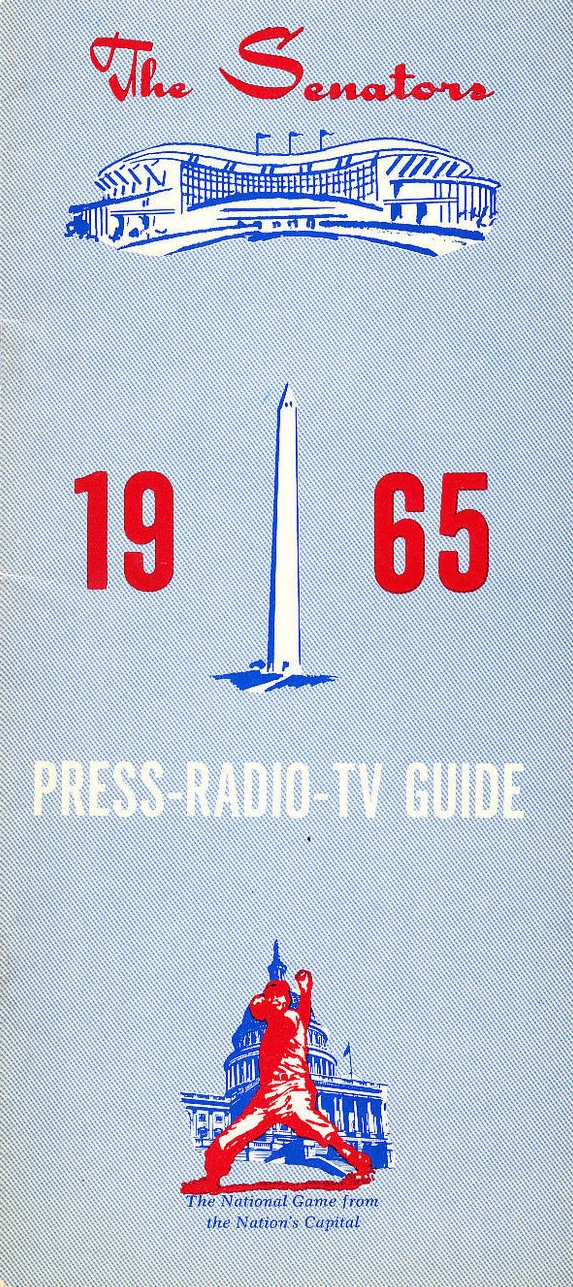
Through 1968, the Washington Senators finished no higher than seventh, while the Twins managed to win the pennant in 1965. In 1969, the Washington Senators notched a fourth-place finish, but that was because the league split into two divisions after welcoming the Seattle Pilots and Kansas City Royals. Their record was an encouraging 86-76. It was downhill from there as they went 70 and 92, even with baseball hero Ted Williams at the helm.
By the end of the 1970 season, the team was nearly bankrupt, and Bob Short, who had purchased the team in 1968, was looking to move the club. In November of 1970, he rejected an offer from officials in Dallas to move the team there. However, on September 21, 1971, American League owners voted 10-2 to allow the team to move to Arlington, Texas, effective October 1.15Padres, Sox Seek Shifts as Baseball Plight Grows, Star Wire Services via The Windsor Star, Sep. 24, 1971
Almost immediately, the San Diego Padres expressed interest in coming to D.C. In 1974, a deal seemed imminent to do just that, so much so that Topps issued baseball cards that said “Washington Nat’l Lea” in place of “San Diego Padres.” McDonald’s owner Ray Kroc saved the Padres, and Washington remained without major league baseball until 2005, when the Montreal Expos moved to D.C. and became the Nationals.
Our friends at the Good Seats Still Available podcast did an episode on the 1969 Washington Senators:
##